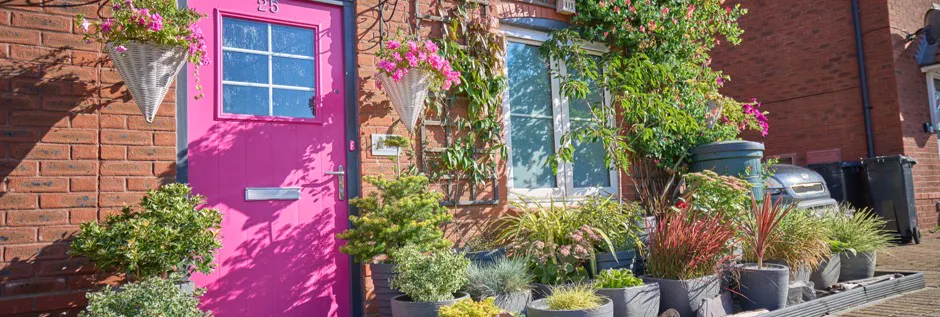
May's Sustainability Challenge
Consultation has concluded
🌱 Grow, Save, Share Nature
This May, we’re focusing on helping nature recover, growing wildlife-friendly spaces, saving water, and making small everyday changes that add up to a big impact.
Whether you have a garden, a balcony, a shared outdoor space, or just a windowsill, there’s something everyone can take part in.
May also brings a number of key environmental moments including , International Compost Awareness Week, Water Saving Week, World Bee Day, Endangered Species Day, Walk to School Week, and National Children’s Gardening Week.
🌼 No Mow May – Let Nature Grow
Throughout May, we’re encouraging everyone to take part in by allowing grass to grow longer and creating space for nature to thrive.
Long grass provides shelter, food, and breeding grounds for pollinators and other insects that are essential to our ecosystems.
How you can get involved:
- Leave your lawn uncut where possible
- Create a “wild corner” in a garden or communal space
- Use pots, planters, or window boxes to grow wildflowers if you don’t have outdoor space
- Observe and share what wildlife you notice returning
♻️ International Compost Awareness Week (3–9 May)
This week highlights the importance of turning food and garden waste into something valuable for the environment.
How you can get involved:
- Start composting kitchen scraps such as vegetable peelings and coffee grounds
- Use community composting schemes where available
- Reduce food waste by planning meals and storing food efficiently
💧 Water Saving Week (12–16 May)
Freshwater is one of our most precious resources, and small daily changes can make a big difference.
How you can get involved:
- Take shorter showers
- Turn off taps while brushing teeth
- Fix leaking taps where possible
- Collect rainwater for plants
🐝 World Bee Day (20 May)
Bees and pollinators are vital for food production and biodiversity, yet many are under threat.
How you can get involved:
- Plant bee-friendly flowers such as sunflowers, lavender, and wildflowers
- Avoid pesticides where possible
- Create simple water stations for insects using shallow dishes and stones
🌻 National Children’s Gardening Week (23–31 May)
A chance for children, families, and communities to connect with nature through growing.
How you can get involved:
- Plant seeds together and watch them grow
- Try fast-growing plants like cress or sunflowers
- Use the opportunity to learn about wildlife and food growing
🌱 SNG Seed Funding Project – Grow Your Own Nature
This month continues our SNG seed funding project, supporting customers to grow plants that help wildlife and strengthen local green spaces.
We’re encouraging the planting of sunflowers, oats, millet, and wildflowers, all of which provide food and habitats for birds, bees, and insects.
How you can get involved:
- Plant seeds in gardens, pots, balconies, or windowsills
- Share updates as your plants grow throughout the month
- Help create small but meaningful wildlife corridors in your community
🌸 Every Flower Counts (31 May)
This citizen science project helps measure how healthy our lawns and green spaces are by counting flowers in a set area.
How you can get involved:
- Count flowers in a small patch of grass
- Record your findings and share them
- Help build a picture of biodiversity across the UK
📢 How to Take Part – May
Tell us how you’ve taken action this month. Share photos, tips, or reflections on Engage or email engagement@sng.org.uk.
Everyone who takes part will be entered into a £20 voucher prize draw, and our favourite story or photo will receive a £25 voucher
-
Lead Sustainability Ambassador

Email engagement@sng.org.uk -
Digital Engagement Specialist

Email engagement@sng.org.uk